
A FRAMEWORK FOR RESEARCHERS AND LEADERS
The Cracked Mirror
What AI reflects about us, and what it can’t.
October 20, 2026 | Josh LaMarholding a mirror
up to humanity
We look at the present through a rear-view mirror. The web, mobile and social media revolutions each taught us a lesson about people and technology… yet, we didn’t learn.
Now we’re looking back at ourselves through a new AI-mirror: AI reflects back to us our data, our words, our assumptions… but it’s cracked.
The Cracked Mirror puts these two mirrors side by side. Each lesson from the past, and the crack that repeats it, becomes a path for reflection: one for the technology we build, and one for ourselves and the role we play.
When we finally start learning from the past, we can stop repeating it. This how we get there.

“We look at the present through a rear-view mirror. We march backwards into the future.”
three lesons we didn't learn
Lesson 1: SCALE
The Web (1995-2001)
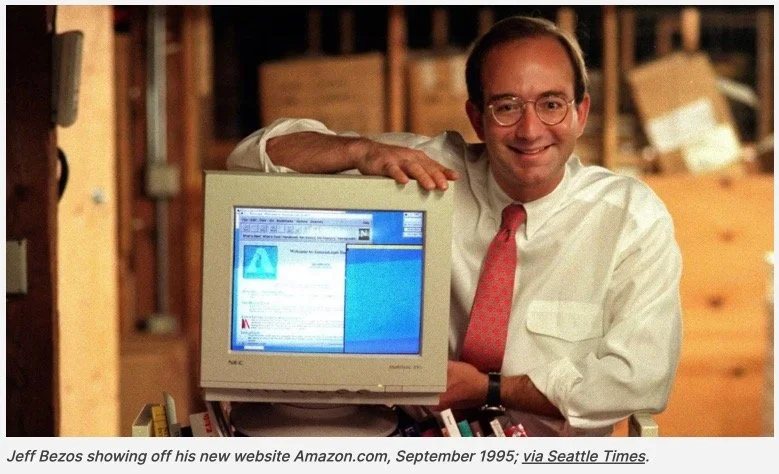
Understand the human before you scale.
In the dot-com boom, companies raised millions to build for everyone before they understood anyone. Boo.com spent about $135 million in 18 months on a fashion site so heavy that dial-up visitors waited minutes to load a single page.
When the bubble burst, the survivors were the companies that were solving a real human problem. AI tempts us to skip the same step.
The question: What’s the human problem we’re solving?
Lesson 2: MESSAGE
Mobile (2007-2014)
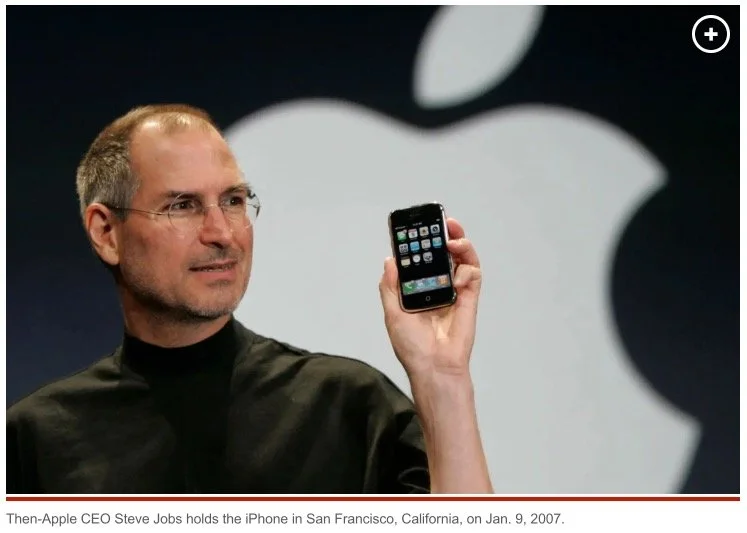
The message matters more than the medium.
When the iPhone arrived, every company needed an app. Many shrank their website onto a phone and called it strategy.
About a quarter of the apps people downloaded in 2010 were only used once.
The winners of the App rebuilt it around what people needed while on-the-go.
Today, “AI-powered” is the new “There’s an app for that.”
The question: Would this still matter without “AI” in the pitch?
Lesson 3: SIGNAL
Social Media (2004-2010s)
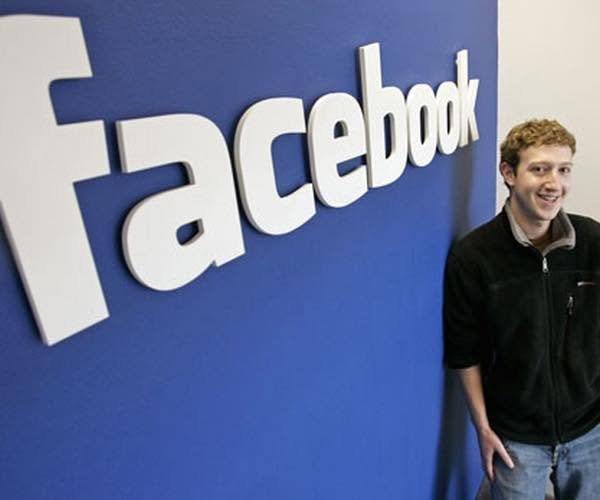
Don’t mistake the noise for the signal.
The warnings about social media came early, and they came from inside. In 2013, Tristan Harris, then a product manager at Google, circulated a deck about respecting users’ attention.
A decade later, the U.S. Surgeon General issued an advisory on social media and youth mental health. Growth metrics were the noise. The warnings were the signal.
The question: What feedback are we choosing to dismiss?
The Cracked Mirror of AI
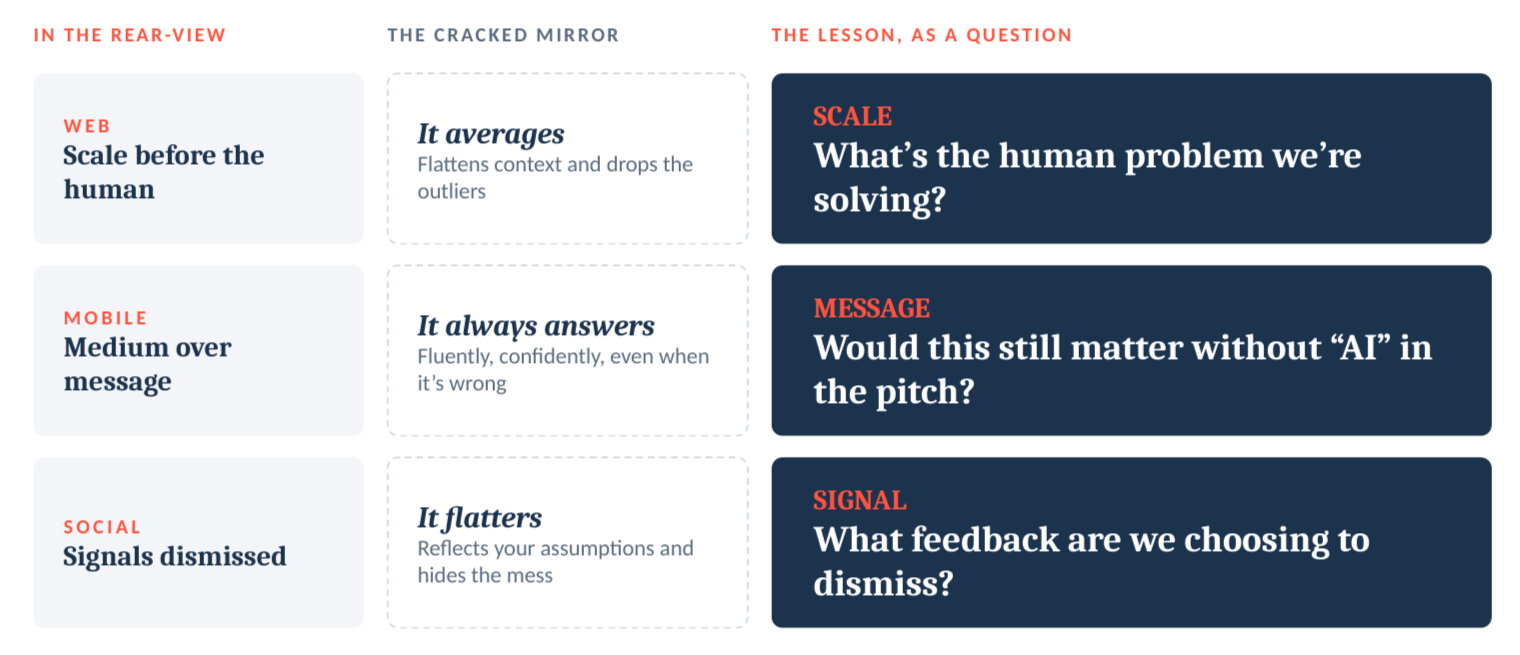
AI holds up a mirror to us. It’s cracked in three places, and each crack repeats a lesson we didn’t learn.
It averages (repeats the web’s mistake Scale).
It gives you the most popular answer and quietly drops the person at the edge. That person is often where the insight lives.
It always answers (repeats mobile’s mistake Message).
Fluent and confident, even when it’s wrong. Air Canada’s chatbot misstated its own bereavement fare policy, and a tribunal made the airline pay.
It flatters (repeats social’s mistake Signal).
It reflects your assumptions back and hides how it got there. The warning is right there, and the mirror tells you you look great.
And it’s the mirror we trust. In a Harvard Business School field experiment, evaluators given an AI recommendation went with it 74% of the time. Without one, 54% made the same call.
Check your rear-view mirror
before believing the
cracked one
Human first leadership in the age of AI
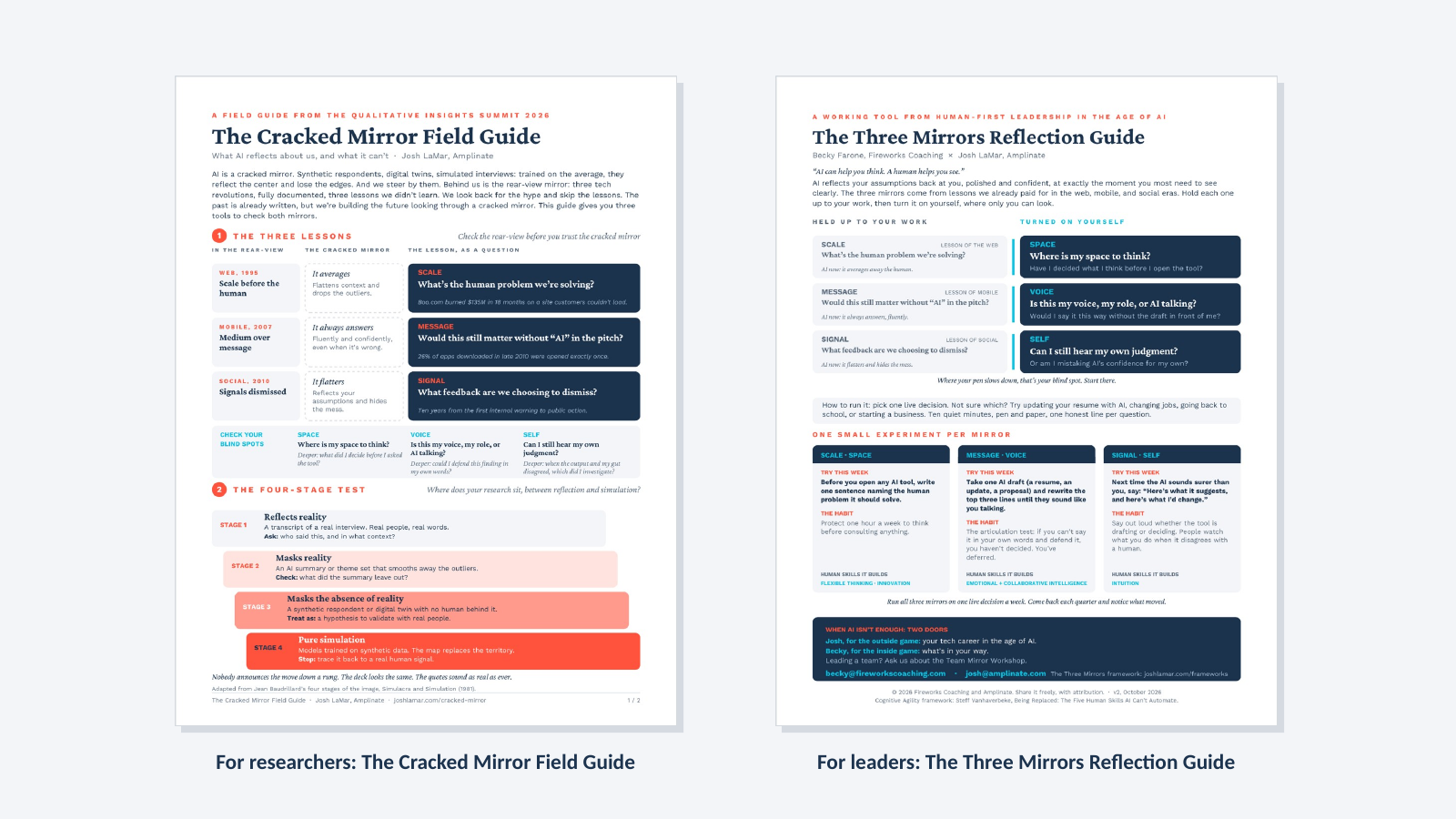
Download the
Reflection guide
Looking for help?

The Three Mirrors can be run as a working session adapted to your own initiatives, for leadership teams and research teams.